Call of Duty with DLSS 5
2 COMPARISONS
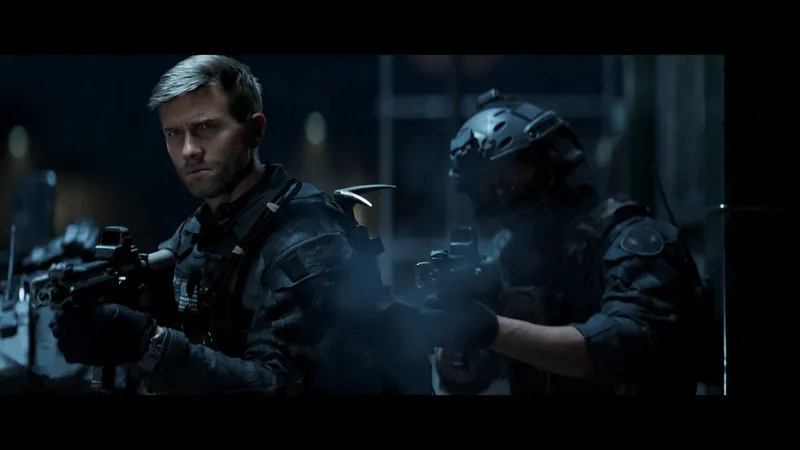
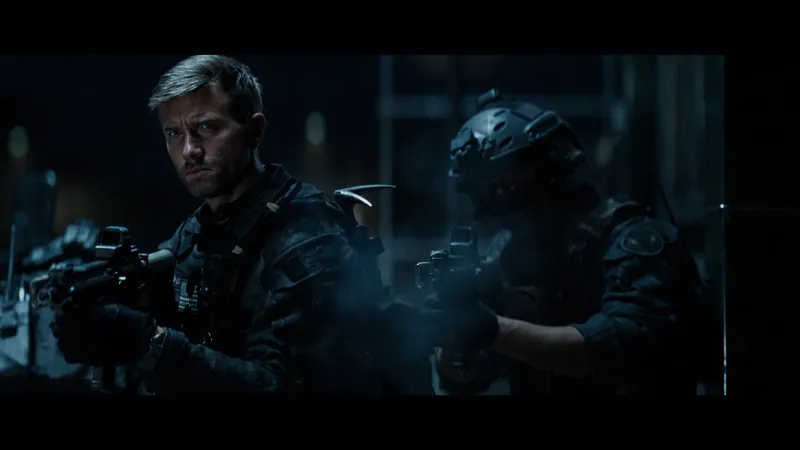
Every comparison below is a frame from Call of Duty run through the DLSS 5 Neural Rendering runtime on a physical RTX GPU. Drag the line to see the difference; inside each comparison you get the exact parameters and the render report.
- COMPARISONS
- 2
- MOST USED MODE
- DLAA
- MOST USED PRESET
- Cinematic
- RESOLUTIONS
- 3840×2160, 1554×1080
- LATEST COMPARISON
- October 26, 2026
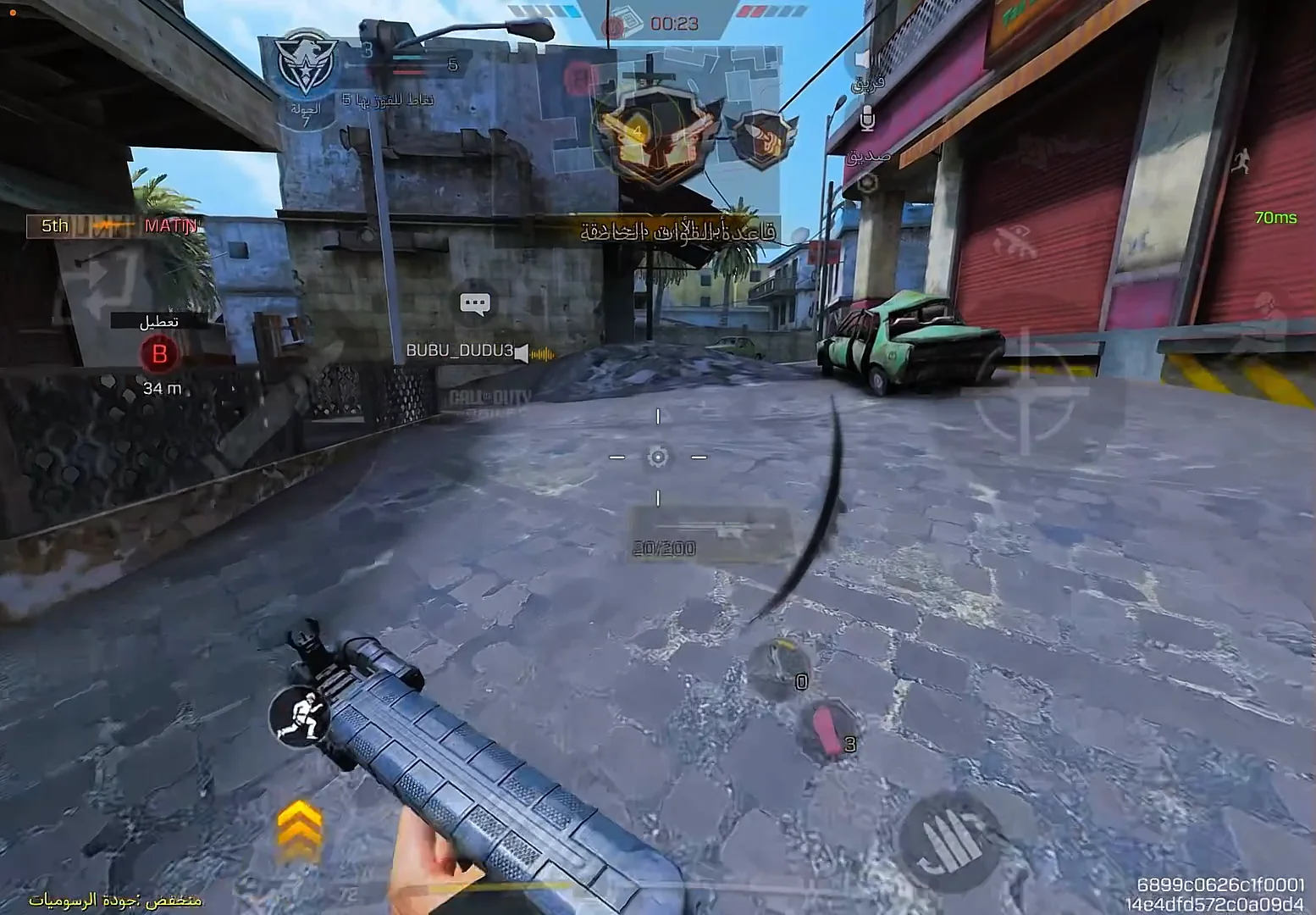
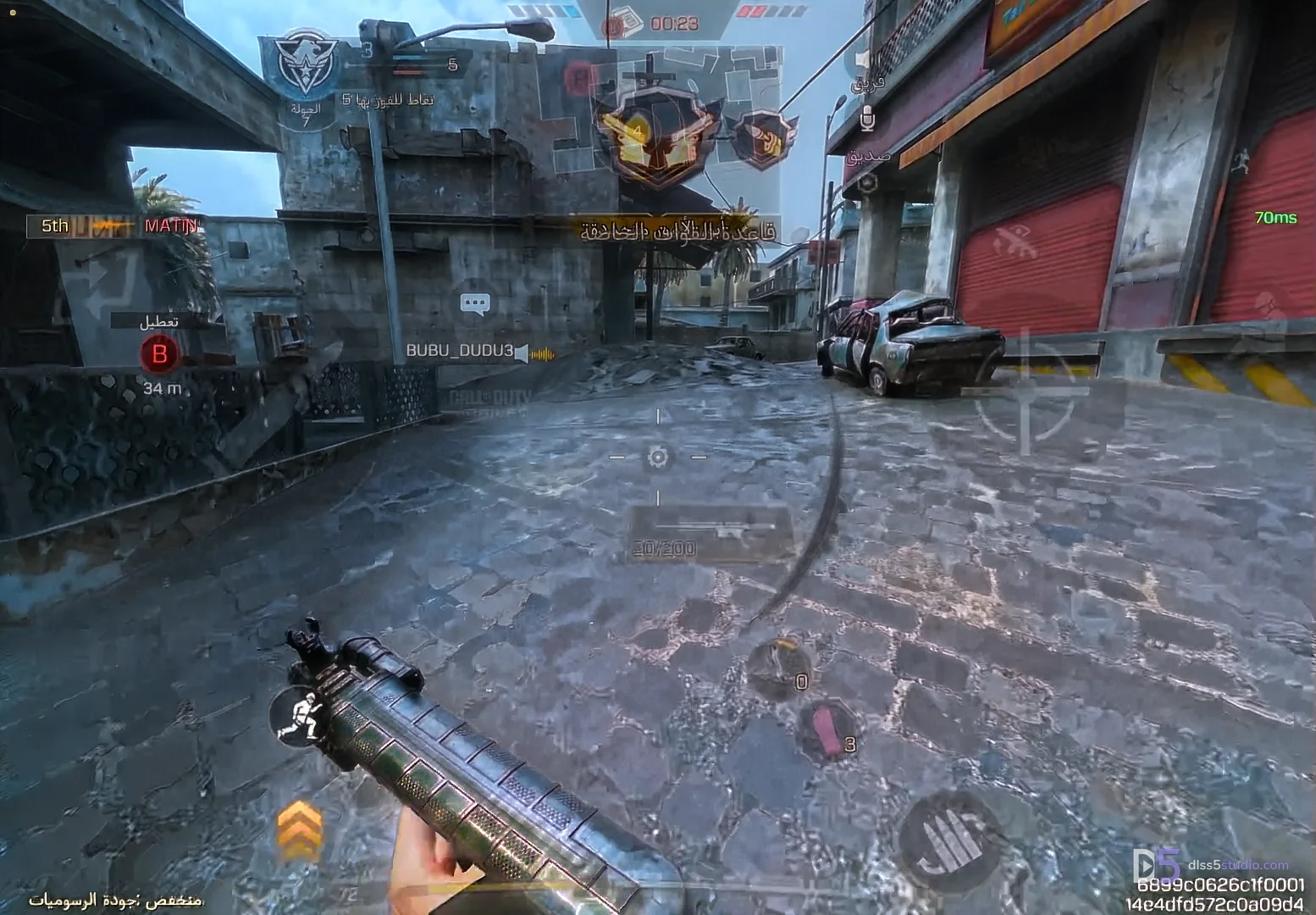
DLSS 5 in Call of Duty
This page collects comparisons of Call of Duty frames that did not say which game of the series they came from; Call of Duty 2 has a page of its own. None of these games has official DLSS 5 support announced. The frames were uploaded by players and run through NVIDIA's DLSS 5 Neural Rendering runtime on this site's RTX cards.
Military shooters are a mixed case for Neural Rendering: faces and uniforms in cutscenes change a lot, fast gameplay with muzzle flashes and smoke much less. In the ON frames, look at skin, fabric and metal first, then at smoke and particles, where the difference is smaller.
Cutscenes and quiet moments are the frames that show it best if you try it yourself. The summary above shows the settings used so far.
Want to try it on your own Call of Duty footage?
Take a slot: 180 seconds on one of our GPUs, no sign-up.