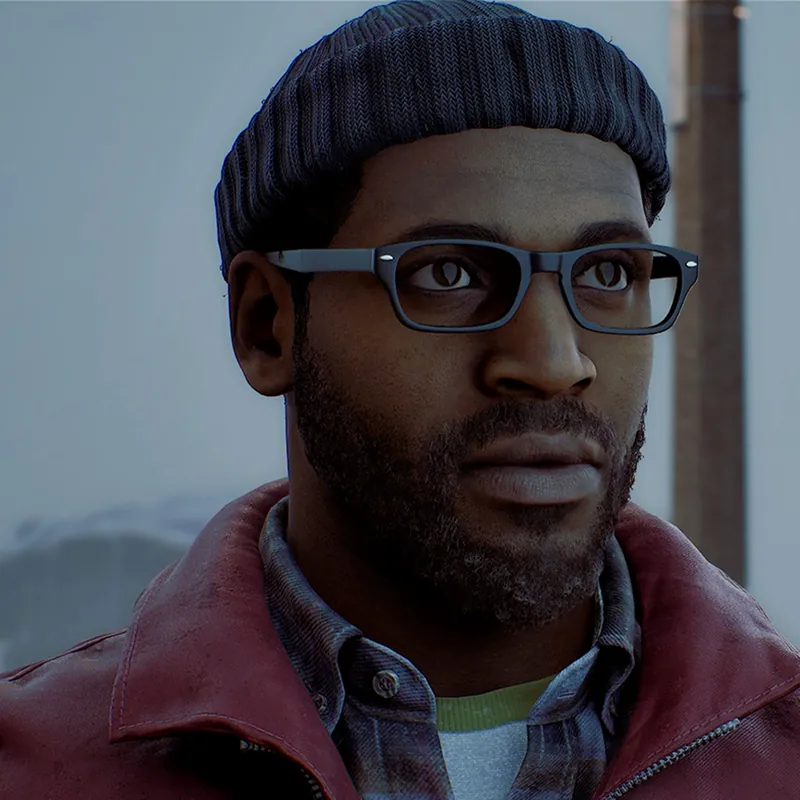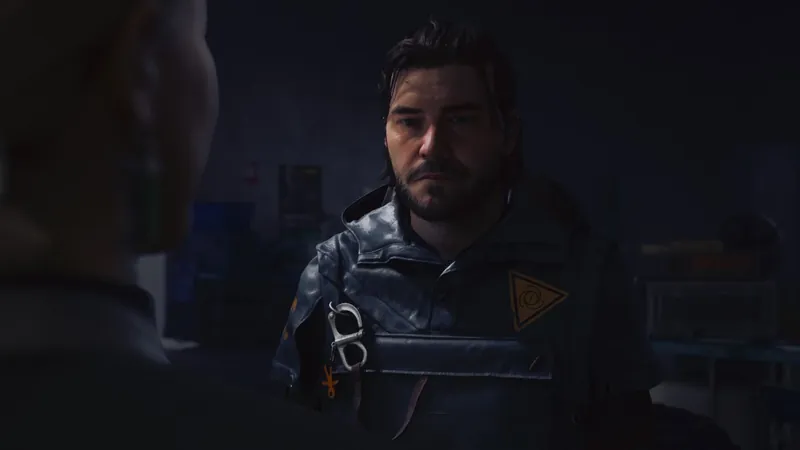
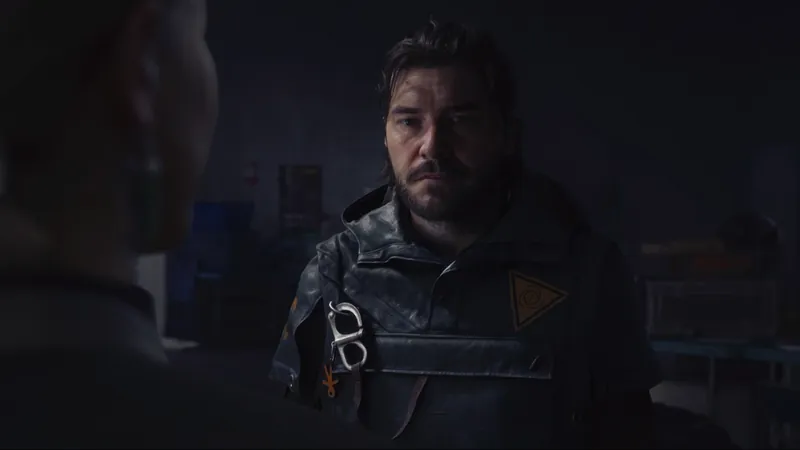
 DLSS OFF
Control Resonant
DLAA · 1400×787 · DEFAULT


Upload a gameplay video, set the parameters while watching a single frame in preview, export. The rendering runs on the NVIDIA runtime, on real RTX cards: they sit here with us, powered on, and for three minutes one of them is yours.
This is not a filter that looks like DLSS: your frames are reconstructed by a real RTX 40 or 50 with the NVIDIA pipeline, and every render comes back with a report declaring feature 18.
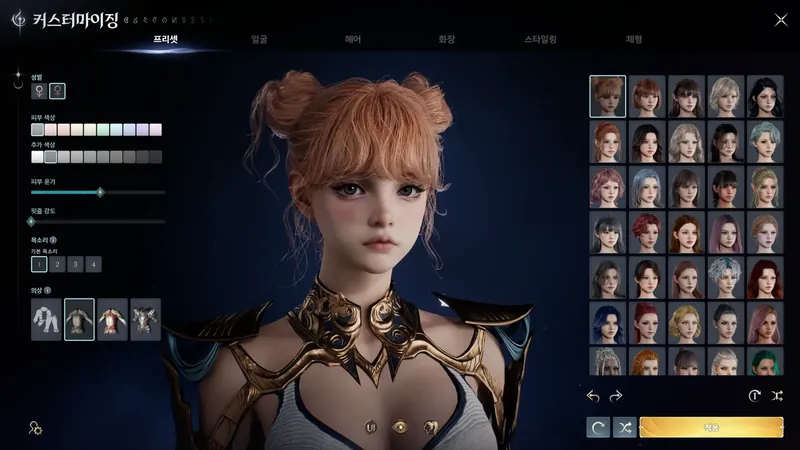
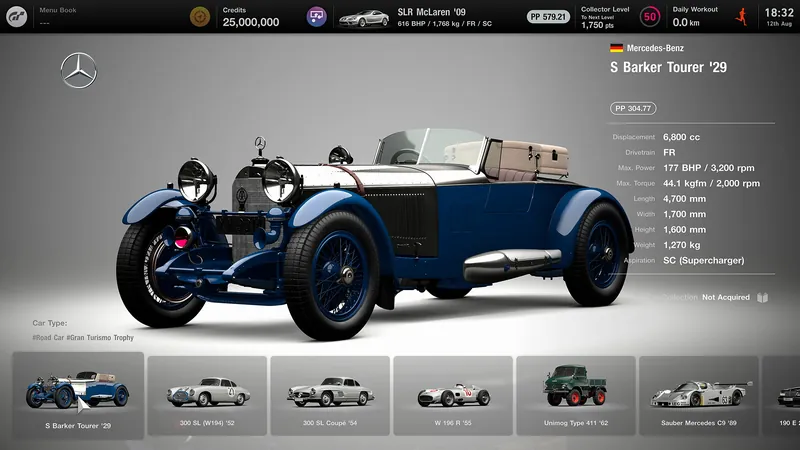
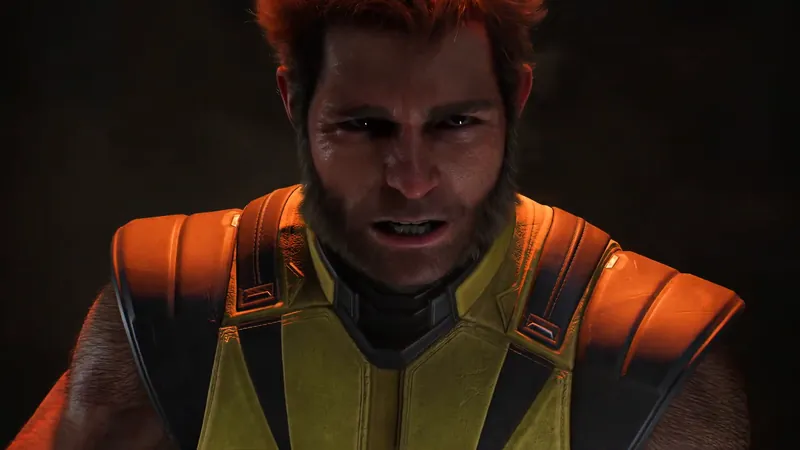
These aren’t ours: they were made by people who took a slot. Every comparison carries the original frame, the DLSS 5 version and the exact parameters it was produced with.
DLSS OFF DLSS OFF
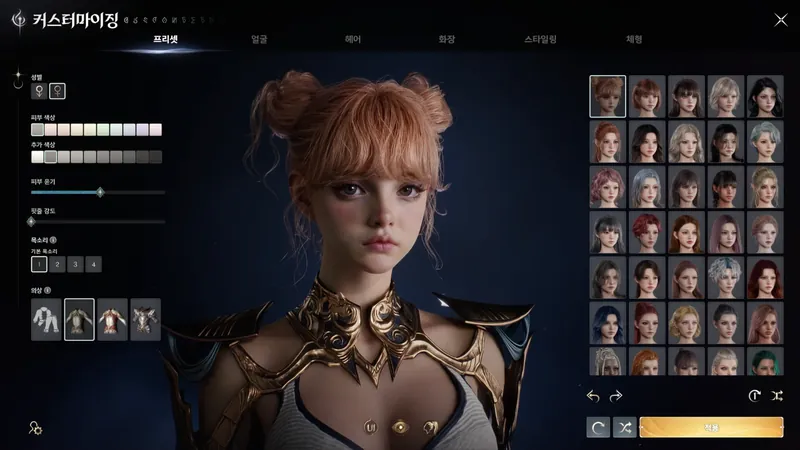 DLSS OFF
 DLSS OFF
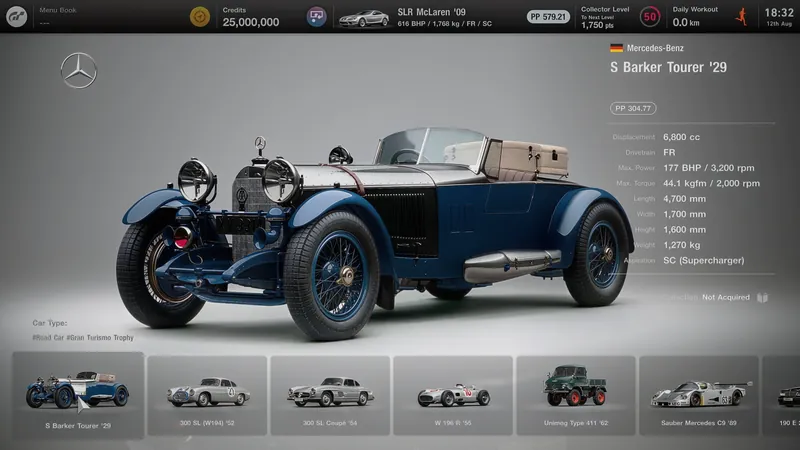 DLSS OFF
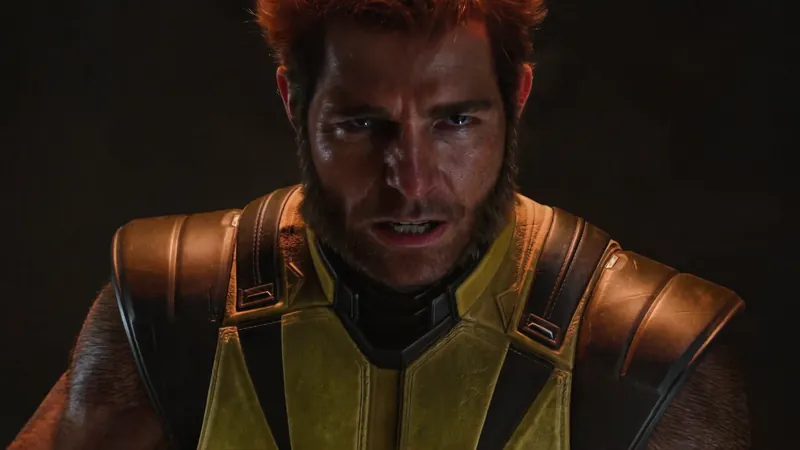 DLSS OFF
Freeze a frame, move the sliders and see how it turned out right away. No ten-minute export only to find out at the end that the intensity was too high.
The GPU is yours for the whole slot: previews are paid for by the community base, exports by the reserve that donors refill. If they are all busy you wait your turn, because these are real machines in a room.
If you like a frame you can put it in the catalogue, with the original next to the DLSS 5 version and the exact parameters you used.
The pipeline does not know what it is looking at: it sees frames. This one comes from an animated series, not a game, and goes through the same runtime with the same result.

 DLSS OFFDLSS 5 ON
Arcane (Riot Games / Netflix) · 1280×720 in and out: no upscaling, just the neural filter. · drag to compare
How much neural reconstruction to apply to the image.
Local contrast in shadows and highlights.
Micro-detail on foliage, fabric, dense surfaces.
Skin handled separately, so faces don't turn to plastic.
The character of the image at identical parameters.
Lets the model decide where to act.
How much neural colour and light to keep; Detail-Only keeps just the detail.
Protects faces and skin, and keeps the source's grain.
Repeats the neural pass for a stronger effect.
Steadies fine detail between frames in the exported video.
DLSS 5 only runs on NVIDIA RTX 40 and 50 GPUs. They are expensive, not everyone owns one, and for most people trying it would mean buying first and finding out afterwards whether it was worth it. On some games, setting up a serious test is awkward regardless of the hardware.
We have the GPUs, and it seems only fair to let you use them: upload a frame, move the parameters and watch what actually happens, buying nothing and installing nothing. It is a free project, for education and outreach. There is no paid tier and donating gets you nothing the others don't have: what comes in refills everyone's frame reserve, keeps the cards powered and, when it adds up, buys another one.
DLSS5 Studio does not approximate DLSS: it sends your frames to a real RTX GPU running the NVIDIA Neural Rendering pipeline, and every render produces a report confirming that feature 18 ran. That is why capacity is finite — the GPUs are physical machines, and when they are all busy there is a queue.
DLSS 5 is not sold separately: NVIDIA ships it inside the games that support it, and it needs a supported RTX card. DLSS5 Studio is free too, and it needs neither: you upload a video, the runtime runs on our RTX cards and you download the result. No account, no payment.
When the slot expires your material is deleted from the machine: we do not keep it anywhere.
Take a slotNo account, no Pro version: take a slot and work. Previews are paid for by a base of frames the community shares every 12 hours, and it grows with every person who shows up; video export is paid for by a reserve that exists only because someone donated. Since September 7, people passing through have run more than 20,000 frames on my cards, and I’m glad: that’s what I switched them on for. I bought the machine myself and that cost stays mine; the reserve pays for the electricity, €0.60 for every hour the cards run, and the time to make this grow. The next thing I’d like to build is streaming: you send your stream to my GPU and watch it come back with DLSS 5 almost live.
Even €1 is fine: that’s 1,000 frames in the community reserve for whoever comes after you. Donating gets you nothing the others don’t have, and streaming, once it exists, will belong to everyone like the rest.